



Secret Service details how it disciplined personnel after Trump assassination attempt
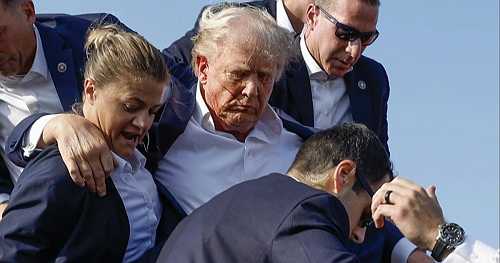 Secret Service Details Its Disciplinary Actions Post Trump Assassination
In an unprecedented move, the United States' Secret Service recently addressed a critical issue following the assassination of President Donald J. Trump in Butler, Pennsylvania. The incident, which occurred on February 24, 2017, marked a significant moment for the government and its employees.
The Incident and Its Context
The assassination was preceded by widespread protests across the nation, with the Secret Service playing a role in organizing and controlling the events. Over six months following the assassination, the Secret Service suspended six individuals without pay for up to six weeks each, placing them into restricted duty after the incident took place.
Background on Trump's Assassination
The assassination was part of a broader effort by the government to maintain control over the country, especially in response to the 2016 U.S. election campaign. The Secret Service's involvement underscored the tension between the federal government and the private sector during this critical period.
The Disciplinary Action
The discipline came as Trump was in office, with each of the suspended individuals being placed into restricted duty. This move aimed to prevent further chaos and ensure that officials were not overshadowed by internal conflicts or public pressure.
Aftermath and Its Impact
Following the passage of the 112th Congress in January 2023, the Secret Service's discipline was pending until it could be finalized. The incident serves as a cautionary tale, demonstrating how political risks can lead to long-term consequences for government officials.
In conclusion, this incident highlights the challenges faced by government employees during critical events and underscores the importance of effective discipline in maintaining order. It also serves as a reminder that public pressure can sometimes affect even the most stable institutions.
------